
日本語
- English
- Español
- Português
- русский
- Français
- 日本語
- Deutsch
- tiếng Việt
- Italiano
- Nederlands
- ภาษาไทย
- Polski
- 한국어
- Svenska
- magyar
- Malay
- বাংলা ভাষার
- Dansk
- Suomi
- हिन्दी
- Pilipino
- Türkçe
- Gaeilge
- العربية
- Indonesia
- Norsk
- تمل
- český
- ελληνικά
- український
- Javanese
- فارسی
- தமிழ்
- తెలుగు
- नेपाली
- Burmese
- български
- ລາວ
- Latine
- Қазақша
- Euskal
- Azərbaycan
- Slovenský jazyk
- Македонски
- Lietuvos
- Eesti Keel
- Română
- Slovenski
- मराठी
- Srpski језик

業界ニュース
 05 2026-08
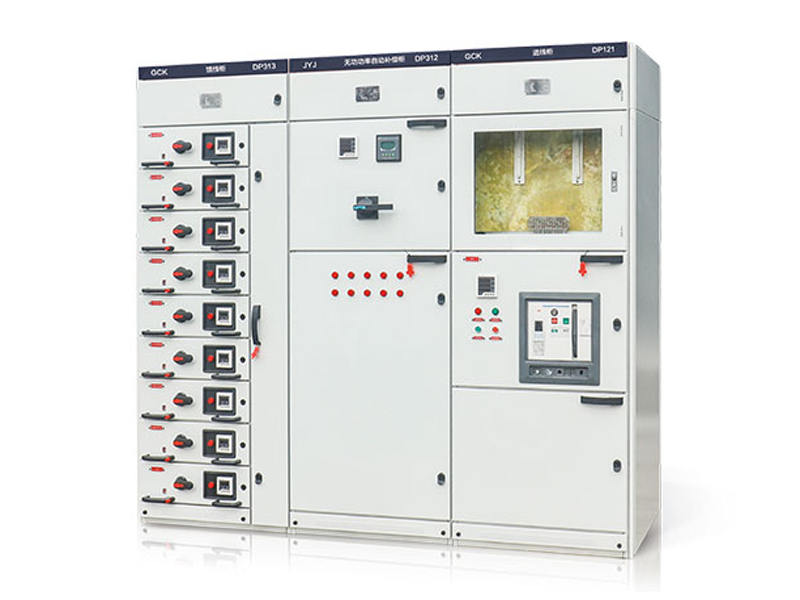
What are the main types of low voltage switchgear?
Low-voltage switchgear refers to electrical devices used in power systems with AC rated voltages of 1000V and below and DC rated voltages of 1500V and below to perform the functions of making, breaking, protecting, controlling and isolating. They are widely used in industrial plants, commercial buildings, data centers, rail transit and civil power distribution, and are key components to ensure the safety of electricity and the reliable operation of the system. According to different functions and application scenarios, low-voltage switchgear can be mainly divided into the following categories.
 03 2026-08
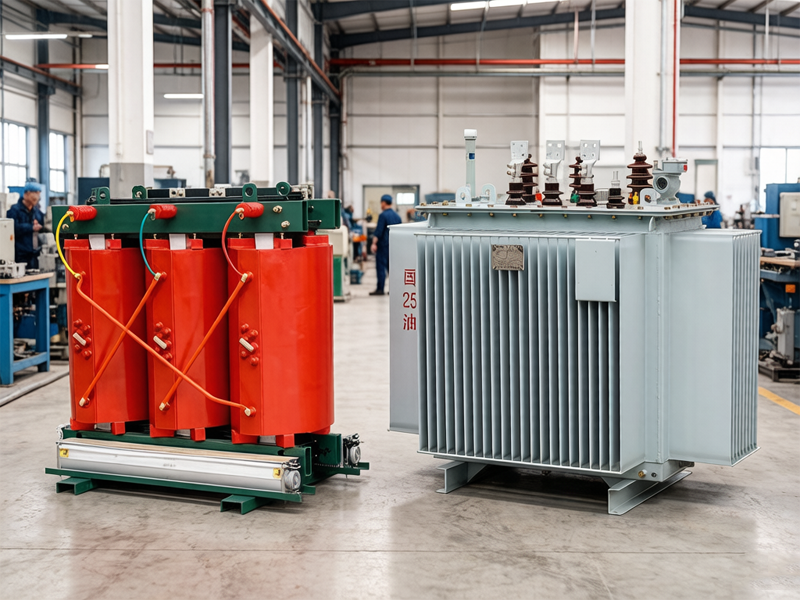
With the same power, why is a dry-type transformer safer than an oil-type transformer?
In scenarios such as power distribution, building power supply, and industrial production, transformers are the core equipment to ensure stable power transmission. When faced with the choice of the same power and voltage level, many people will wonder: Dry-type transformers are more expensive and slightly larger, but they have become the first choice for hospitals, shopping malls, subways, high-rise buildings, and underground power distribution rooms. There is only one core reason - safety. With the same power output, why is a dry-type transformer safer than an oil-immersed transformer? The answer lies in the material, structure, operating characteristics and fire and explosion protection capabilities.
 30 2026-07
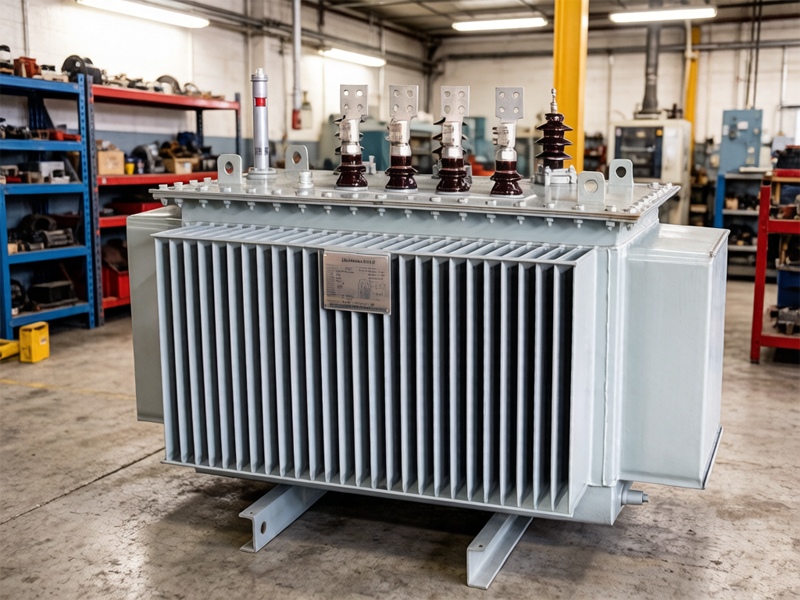
アモルファス合金変圧器の無負荷損失特性の比較とエネルギー効率向上の検討
Amorphous alloy transformers are known as "energy-saving stars" in the field of distribution transformers due to their excellent low-loss characteristics. This article focuses on the no-load loss characteristics of amorphous alloy transformers, conducts a multi-dimensional comparison with traditional silicon steel sheet transformers, and systematically discusses feasible paths to improve its energy efficiency, providing a reference for engineering selection and technology development.
 23 2026-07
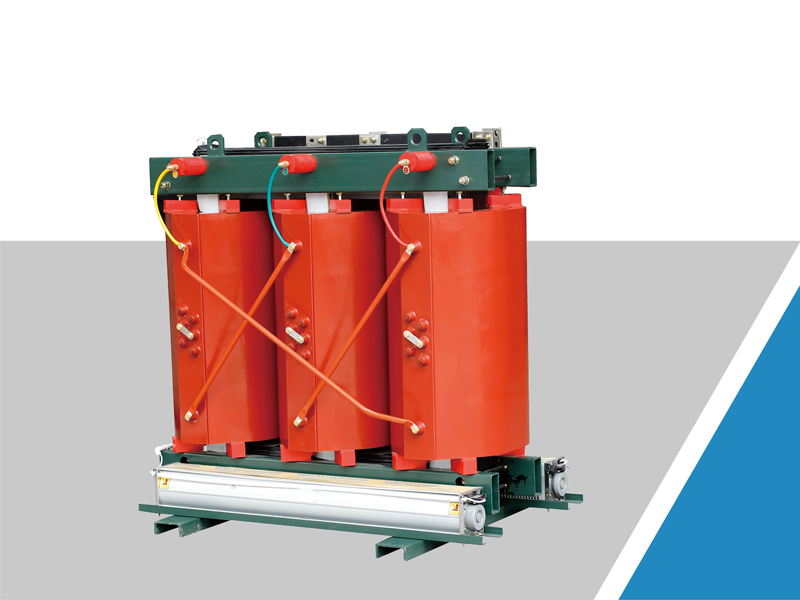
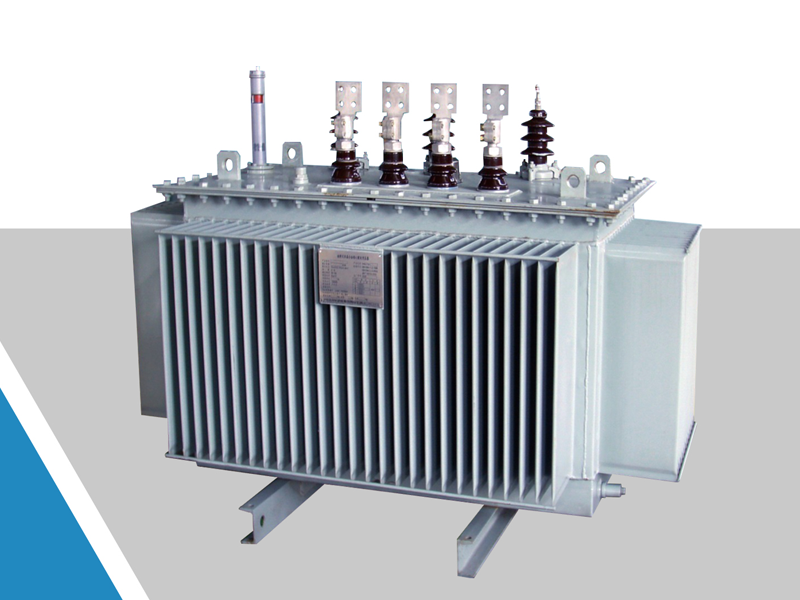
エポキシ樹脂キャスト乾式トランスとは何ですか?
エポキシ樹脂キャスト乾式変圧器は、「オイルフリー、難燃性、自己消火性、環境に優しい」というコア機能を備え、配電設備の安全基準を再定義しました。これは、可燃性、爆発性、油漏れの可能性がある従来の変圧器の問題点を解決するだけでなく、高い信頼性と低いメンテナンスコストで現代社会の電力動脈にクリーン電力を安定的に注入します。テクノロジーは進化し続けるため、将来のスマートグリッド構築においてより重要な役割を果たすことになります。
 21 2026-07
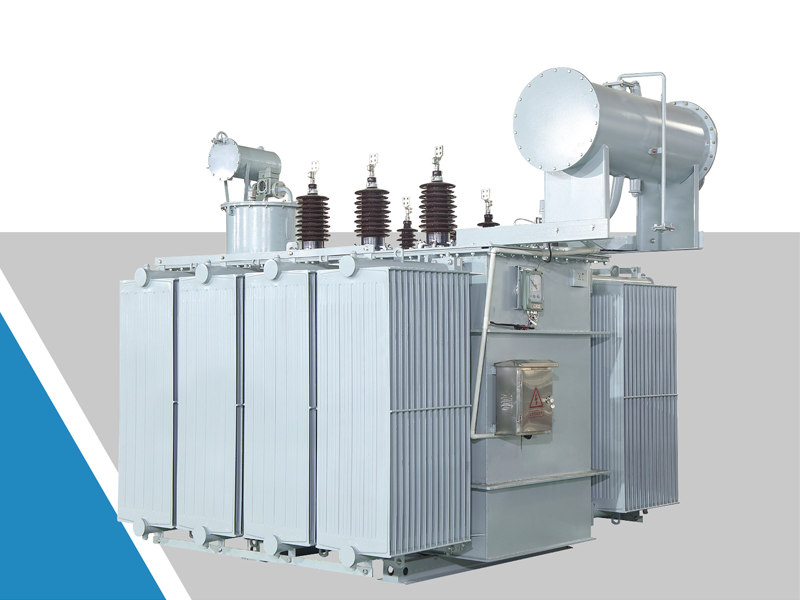
アモルファス合金配電変圧器とは何ですか?
現代社会において、電気は経済発展と日常業務の維持を支える血液であり、配電変圧器は送電網に欠かせない「心臓」です。世界では省エネ、排出削減、環境保護の重要性がますます高まっており、従来の電力機器のエネルギー効率の向上は避けられない傾向となっています。これに関連して、アモルファス合金配電変圧器(アモルファス合金変圧器)は、革新的な高効率で省エネの電力機器として登場し、徐々に配電ネットワークの「グリーンパイオニア」になりつつあります。
 18 2026-07
二重巻OLTC油入電源トランスとは?
最新の電力システムの送配電ネットワークにおいて、二重巻線 OLTC 油入電源変圧器は、電圧品質と電力供給の連続性を確保するための中核機器です。 「シンプルな二重巻線構造」、「優れた油浸熱放散」、「停電のない負荷時電圧調整」という3大利点を兼ね備えており、変電所、産業・鉱山会社、新エネルギーステーションなどで広く使用されています。この記事では、その定義、構造、原理、特徴、応用について体系的に詳しく説明します。