日本語
- English
- Español
- Português
- русский
- Français
- 日本語
- Deutsch
- tiếng Việt
- Italiano
- Nederlands
- ภาษาไทย
- Polski
- 한국어
- Svenska
- magyar
- Malay
- বাংলা ভাষার
- Dansk
- Suomi
- हिन्दी
- Pilipino
- Türkçe
- Gaeilge
- العربية
- Indonesia
- Norsk
- تمل
- český
- ελληνικά
- український
- Javanese
- فارسی
- தமிழ்
- తెలుగు
- नेपाली
- Burmese
- български
- ລາວ
- Latine
- Қазақша
- Euskal
- Azərbaycan
- Slovenský jazyk
- Македонски
- Lietuvos
- Eesti Keel
- Română
- Slovenski
- मराठी
- Srpski језик

配電分野における効率的かつ革新的なソリューション
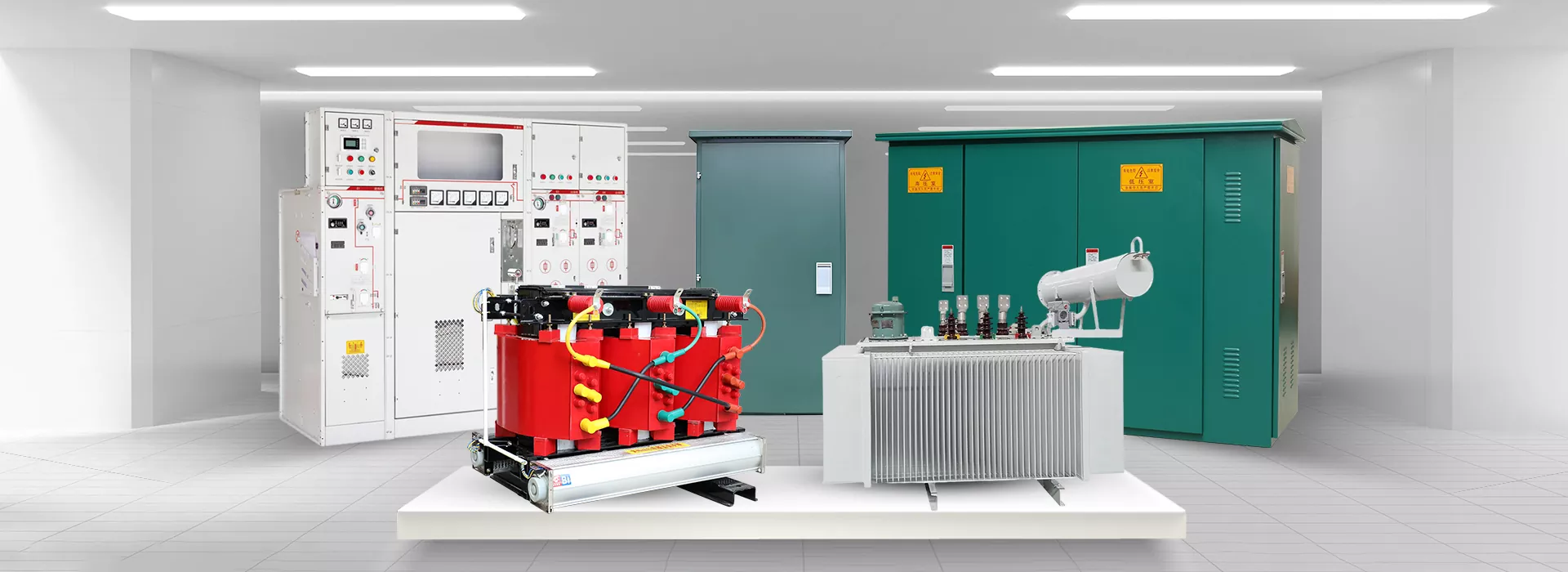
In modern power systems, box-type substations, as an integrated and modular power supply device, are gradually replacing traditional brick-and-mortar substations with their unique advantages and have become one of the core equipment for urban power grid upgrades, power supply in industrial parks, and supporting new energy projects. It integrates core components such as high-voltage switchgear, distribution transformers, low-voltage switchgear, electric energy metering equipment and reactive power compensation devices into a sealed metal box through scientific design, achieving the integrated functions of power transformation, distribution, control and protection, and providing an efficient, reliable and flexible solution for power transmission.
I. Core Components and Functions of Box-type Substations
The structural design of box-type substations follows the principle of "modularization and compactness", usually consisting of three parts: high-voltage room, transformer room and low-voltage room. Each area is functionally isolated through reasonable zoning, while ensuring the coordinated operation among equipment.
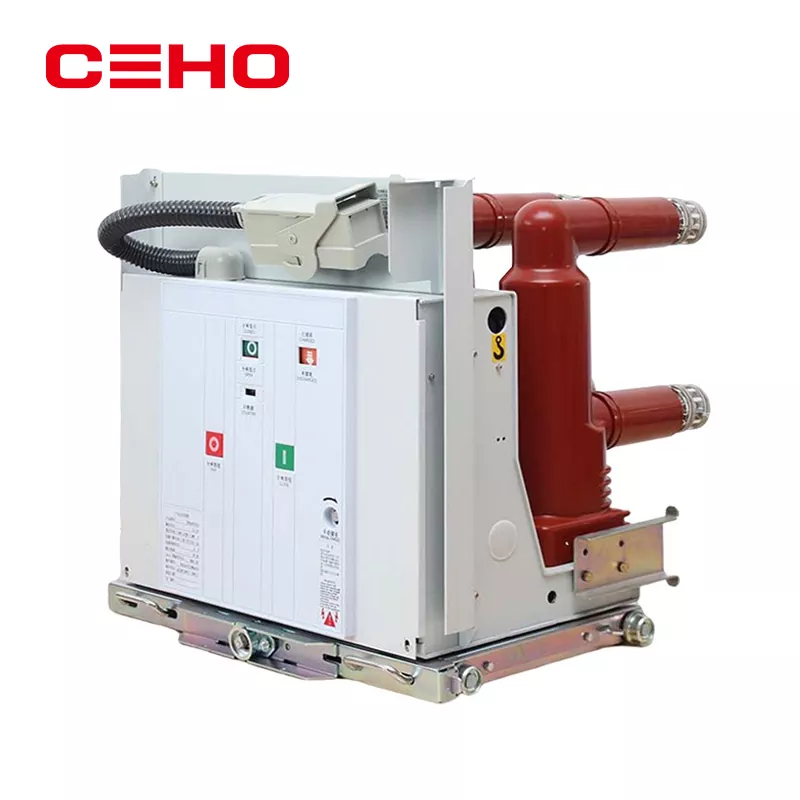
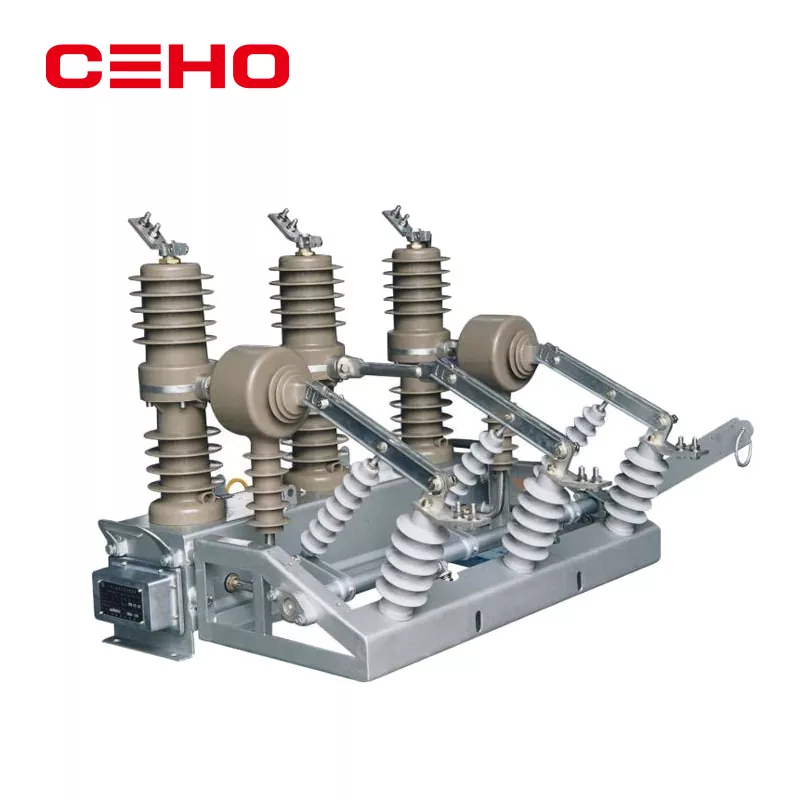
High-voltage chamber As the "first line of defense" for power input, it is mainly equipped with high-voltage load switches, high-voltage fuses, lightning arresters and other devices, responsible for receiving high-voltage electrical energy from the power grid (common voltage levels are 10kV or 35kV), and achieving on-off control, short-circuit protection and overvoltage protection of high-voltage circuits. Prevent external power grid failures from causing damage to the internal equipment of the substation.
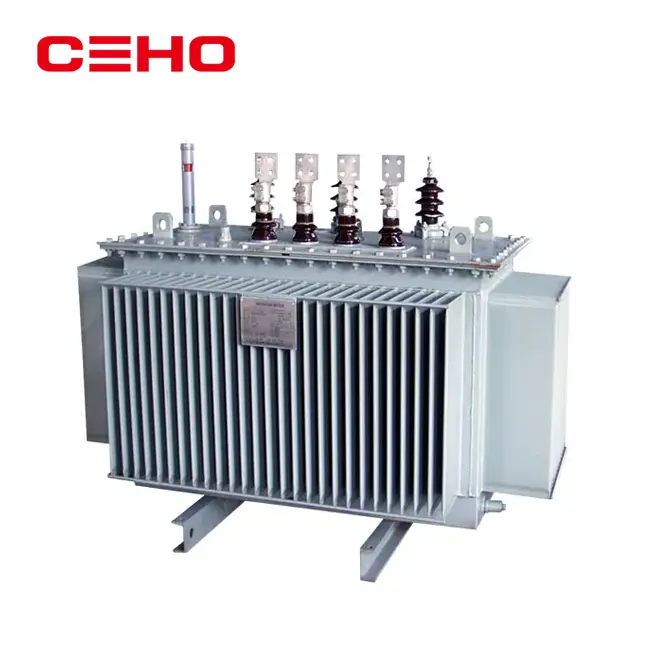
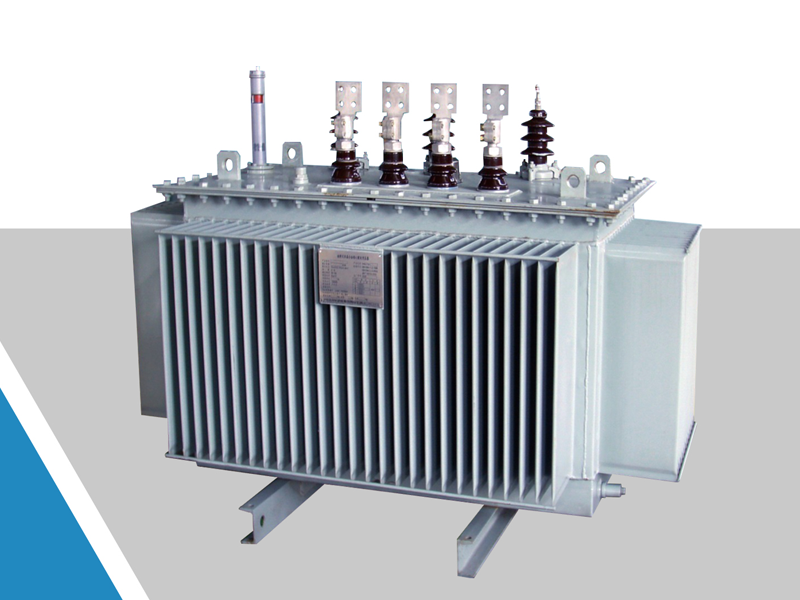
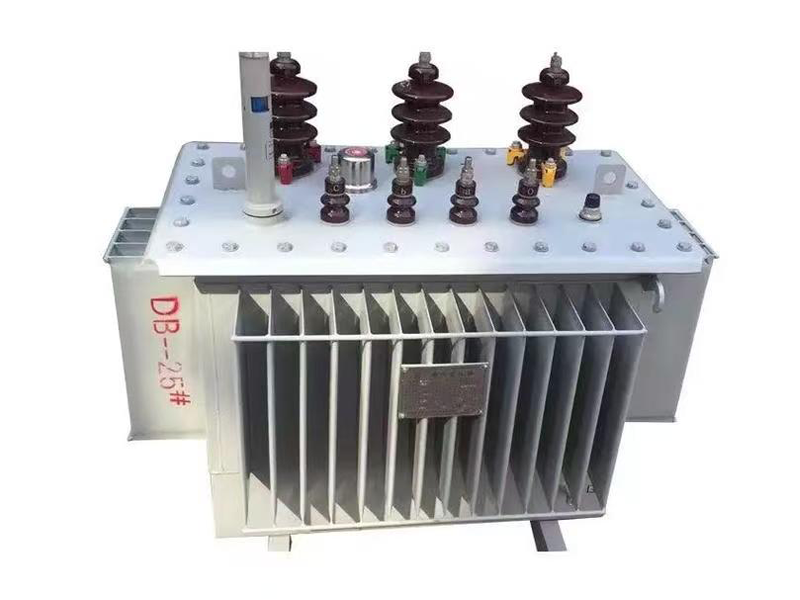
Transformer room: It is the "energy conversion core" of the box-type substation and houses oil-immersed or dry-type distribution transformers. Its core function is to reduce high-voltage electrical energy to low-voltage electrical energy (usually 0.4kV, that is, 380V/220V), meeting the demands of low-voltage loads such as industrial production equipment and residential electricity. Transformer rooms are usually equipped with ventilation and heat dissipation systems (such as heat sinks and axial flow fans) and temperature monitoring devices to ensure that the transformer operates stably within the rated temperature range and avoid performance degradation or equipment damage due to overheating.
Low-voltage room: It is responsible for the "last mile" of power distribution and electrical protection. Inside, it is equipped with low-voltage circuit breakers, low-voltage disconnectors, leakage protection devices, energy meters, and reactive power compensation devices, etc. Low-voltage circuit breakers can distribute low-voltage electrical energy to each power circuit according to the power demand of different loads. A leakage protection device can quickly cut off the circuit in the event of a leakage accident, ensuring the safety of personnel and equipment. Reactive power compensation devices improve the power factor, reduce energy loss and enhance the power supply efficiency of the power grid by compensating for reactive power in the grid.
In addition, modern box-type substations are also integrated with intelligent monitoring systems, which collect real-time operation data such as voltage, current, temperature and load through sensors, and achieve remote monitoring, fault early warning and intelligent regulation with the help of Internet of Things technology, significantly improving the operation and maintenance efficiency and reliability of substations.
Ii. Technical Advantages of Box-type Substations: Why They Have Become a New Choice in the Power Field
Compared with traditional civil construction substations, box-type substations have demonstrated significant advantages in multiple dimensions such as construction, operation, and maintenance, which is also the core reason for their wide application in recent years.
Short construction period and small land occupation: Traditional civil construction substations require complex procedures such as foundation excavation, wall masonry, and equipment installation, and the construction period usually lasts for several months or even half a year. Box-type substations adopt a factory prefabrication and on-site assembly model. After all components are produced and debugged in the factory, they are transported to the site and only require simple procedures such as foundation pouring and cable connection. The construction period can be shortened to 1-2 weeks, significantly improving the implementation efficiency of power supply projects. Meanwhile, the floor space occupied by box-type substations is only 1/5 to 1/10 of that of traditional substations. Taking a 10kV box-type substation as an example, its conventional dimensions are approximately 5m×3m×2.5m (length × width × height), and it can be flexibly arranged in narrow Spaces such as along roads, in corners of residential areas, and at the edges of industrial parks, effectively solving the problem of tight urban land resources.
High reliability and strong adaptability: The box body of the box-type substation is made of high-quality cold-rolled steel plate or aluminum alloy material, and its surface has undergone anti-corrosion and anti-rust treatment (such as electrostatic powder coating, galvanizing), featuring excellent waterproof, dustproof, anti-corrosion and impact resistance performance. It can adapt to harsh outdoor environments, ensuring stable operation of the equipment regardless of high temperature, severe cold, rainy or sandy weather. In addition, the integrated design of the equipment reduces the external wiring links, lowering the risk of faults caused by poor line contact and external interference. Some high-end products also have a protection level of IP54 or above, allowing them to operate safely in damp and dusty industrial environments or outdoor open-air conditions.
Low operation and maintenance costs and convenient operation: The equipment layout of the box-type substation is compact, and it is equipped with a complete condition monitoring and fault diagnosis system. Operation and maintenance personnel do not need to enter the interior of the box. They can understand the operation status of the equipment through the external observation window and the intelligent monitoring platform, significantly reducing the workload of on-site inspection. Meanwhile, due to the high integration of the equipment, fault detection and maintenance are more convenient. Once a fault occurs, the faulty component can be quickly located and replaced, reducing power outage time. In addition, box-type substations have relatively low energy consumption, especially those using dry-type transformers, which have no risk of oil leakage. This not only reduces environmental protection pressure but also lowers later maintenance costs (such as regular oil changes and oil stain cleaning, etc.).
High flexibility and strong scalability: The modular design of the box-type substation endows it with excellent flexibility. According to the user's power load requirements, the transformer capacity, the number of low-voltage outgoing circuits, and reactive power compensation capacity can be flexibly selected to achieve "customization on demand". When the electricity load increases, the expansion and upgrading of the substation can also be achieved by adding box modules (such as expanding the low-voltage room or adding reactive power compensation devices) or replacing the transformer with a larger capacity. There is no need to build a new substation, which significantly reduces the later renovation cost.
Iii. Application Scenarios of Box-type substations: Covering power supply demands in multiple fields
With its outstanding advantages, box-type substations have been widely applied in multiple fields such as urban distribution networks, industrial parks, new energy projects, transportation infrastructure, and temporary power supply scenarios, becoming an indispensable and important component of the power system.
Urban distribution network upgrade: In the renovation of old urban residential areas, the construction of new residential communities, and commercial complex projects, box-type substations can serve as distribution terminals, directly providing stable low-voltage power to residents and commercial users. Its compact size and flexible layout can avoid the impact of traditional substation construction on residents' lives, while quickly meeting the growing demand for urban electricity load and facilitating the transformation of urban power grids towards "intelligence and compactness".
Industrial parks and industrial enterprises: Factories and workshops within industrial parks have high requirements for power supply reliability and stability, and the power consumption load fluctuates greatly. Box-type substations can provide customized power supply solutions based on the production needs of enterprises. For instance, they can be equipped with large-capacity transformers and reactive power compensation devices for high-energy-consuming enterprises, and voltage stabilizing equipment for precision manufacturing enterprises to ensure the normal operation of production equipment. In addition, the rapid construction capacity of box-type substations can also meet the demand of "quick power supply" for investment promotion projects in industrial parks, providing a guarantee for enterprises to start production as soon as possible.
Supporting facilities for new energy projects In new energy projects such as photovoltaic power stations and wind farms, box-type substations, as "step-up stations" or "distribution stations", undertake the crucial task of converting the low-voltage electrical energy generated by the new energy power generation system (such as the direct current output by photovoltaic modules, which is converted into 380V alternating current through inverters) to high-voltage electrical energy (such as 10kV or 35kV) and then connecting it to the power grid. Its modular design can be flexibly matched with new energy power generation systems, and its characteristic of adapting to harsh outdoor environments makes it an ideal supporting equipment for new energy projects.
Transportation infrastructure: In transportation scenarios such as highway service areas, railway lines, and urban rail transit (subways, light rails), box-type substations can provide reliable emergency and regular power supply services. For instance, box-type substations in expressway service areas can ensure the power demand for equipment such as charging piles, lighting, and air conditioning. Box-type substations along railway lines can provide stable power for signal systems and communication equipment, ensuring the safety of railway transportation.
Temporary power supply scenarios: In temporary power usage scenarios such as construction sites and large-scale event venues (like concerts and sports events), box-type substations have become the preferred equipment for temporary power supply due to their mobility and rapid deployment capabilities. The box-type substation at the construction site can meet the power demands of equipment such as tower cranes, concrete mixers, and construction lighting. Box-type substations at large-scale event sites can ensure the power supply for stage equipment, emergency lighting, and security systems. After the event, they can be quickly dismantled and transferred to other venues for reuse, achieving efficient resource utilization.
Iv. Future Development Trends: Parallel development of intelligence and greenness
With the transformation of the power system towards "smart grid" and "green and low-carbon", box-type substations will also embrace new development opportunities and technological upgrades. In the future, box-type substations will place greater emphasis on "intelligence" and "greenness", such as integrating digital twin technology to achieve digital management throughout the entire life cycle of equipment. Adopt more efficient energy-saving equipment (such as high-efficiency energy-saving transformers and low-loss switchgear) to further reduce power loss; Explore the "integrated photovoltaic storage and charging" model, combining box-type substations with photovoltaic power generation, energy storage systems and charging piles to create a distributed energy supply center, facilitating the consumption of new energy and the promotion of electric vehicles.
In conclusion, box-type substations, as an innovative solution in the field of power distribution, are reshaping the construction and operation mode of power systems with their high efficiency, reliability and flexibility. In the future smart grid and green energy system, box-type substations will play an even more significant role, providing more stable, efficient and environmentally friendly power guarantees for social and economic development.
前 :
関連ニュース
- Why can three-dimensional wound core transformer achieve low noise and energy saving?
- Why can't dry-type transformers be stored and transported upside down for a long time?
- What are the methods and steps for wiring dry-type transformers?
- What Makes the “Heart” of the Power System Beat Steadily?
- Why is my oil-immersed transformer overheating?
- How can the lifespan of distribution transformers be extended through routine maintenance?
メッセージを残してください